A successful outreach strategy begins with a strong email foundation. Businesses that rely on email communication need dependable systems that support high deliverability, organized account management, and secure authentication. As digital communication continues to evolve, companies benefit from using proven technical practices that improve inbox placement while maintaining professional communication standards.
A well-managed email environment not only increases campaign efficiency but also strengthens customer trust. This article explains the importance of email infrastructure, discusses authentication methods, and highlights the best practices that contribute to long-term outreach success.
Understanding the Importance of Email Infrastructure
Many organizations use cold email mailboxes to organize outreach campaigns while separating promotional communication from daily business correspondence. Properly managing cold email mailboxes helps maintain structured workflows, improves operational efficiency, and supports better campaign monitoring. Dedicated email accounts also allow businesses to track performance more accurately while maintaining consistent communication with potential customers.
A strong email infrastructure begins with selecting reliable hosting services, configuring domains correctly, and maintaining organized account management. These steps reduce administrative challenges and help businesses create professional communication systems that can scale as outreach activities expand.
Careful planning also supports improved deliverability by ensuring that technical settings remain properly configured and regularly monitored.
Building Trust Through Professional Communication
Professional communication plays an important role in successful outreach. Clear messaging, personalized content, and respectful communication encourage positive engagement while building credibility with recipients.
Businesses benefit from writing concise subject lines, providing valuable information, and maintaining a helpful tone throughout every message. Educational content often generates stronger engagement than messages focused entirely on promotion.
Organized communication schedules also contribute to better customer experiences. Sending relevant information at appropriate intervals allows businesses to remain visible without overwhelming recipients.
Consistency across branding, messaging, and communication style further strengthens trust and reinforces a professional image.
Using Technology to Improve Email Performance
Modern email management platforms simplify campaign administration while improving operational efficiency. Automation tools organize contact lists, schedule messages, monitor campaign performance, and reduce repetitive manual tasks.
Customer relationship management systems integrate with email platforms to maintain detailed communication records and support timely follow-up activities. These technologies improve collaboration while helping businesses maintain consistent outreach efforts.
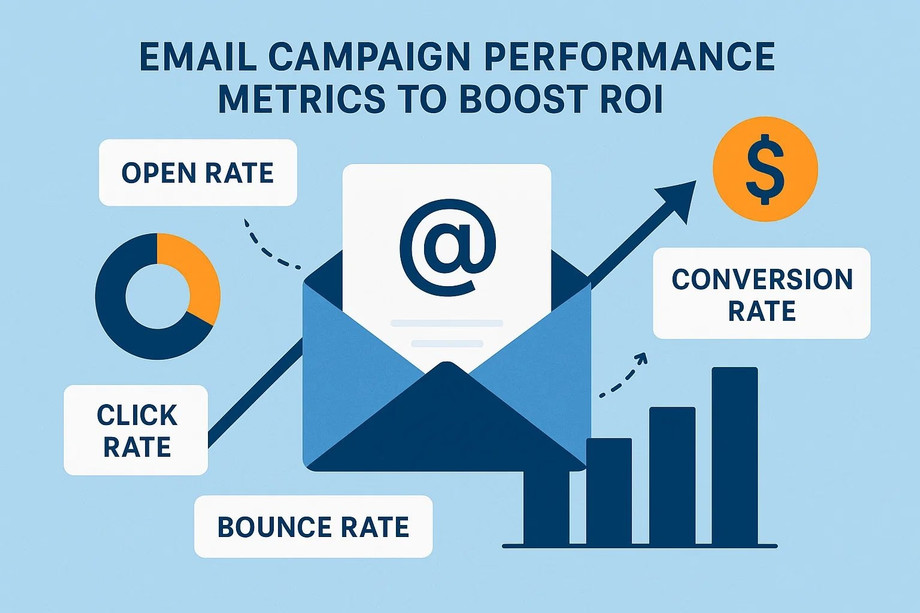
Analytics also provide valuable information regarding open rates, response rates, click-through rates, and overall campaign performance. Regular analysis allows organizations to identify strengths, improve weaker campaigns, and optimize future communication strategies.
Businesses that continuously monitor performance often experience stronger long-term marketing results.
Maintaining Deliverability Through Best Practices
Reliable email deliverability depends on several technical and operational factors. Maintaining accurate contact databases, removing inactive addresses, and following responsible sending practices all contribute to better inbox placement.
Businesses should regularly review domain reputation, monitor sending behavior, and update technical configurations whenever necessary. Consistent monitoring helps identify potential issues before they affect campaign performance.
Professional email management also includes maintaining accurate sender information, using authenticated domains, and following recognized communication standards that improve recipient confidence.
Long-term success depends on balancing effective outreach with responsible email management practices.
Verifying Email Authentication for Better Results
Many businesses perform a SPF DKIM DMARC test to verify that their domain authentication settings are properly configured before launching outreach campaigns. Completing a SPF DKIM DMARC test helps identify configuration issues that could affect email deliverability, strengthen domain security, and improve overall communication reliability.
Proper authentication reduces the likelihood of unauthorized email activity while increasing recipient trust in legitimate business communication. Regular verification also helps businesses maintain consistent email performance as systems evolve.
Organizations that combine technical accuracy with thoughtful communication strategies often experience stronger campaign success and improved long-term deliverability.
Conclusion
Successful email outreach depends on reliable infrastructure, organized account management, responsible communication practices, and accurate technical configuration. Businesses that invest in strong email systems improve deliverability, strengthen customer relationships, and create a more dependable outreach process.
Many organizations also explore outreach2day.com while researching modern email management solutions and outreach strategies that support sustainable business growth. By maintaining professional communication standards, verifying technical settings, and continuously improving campaign performance, businesses can build effective email systems that deliver consistent long-term results.